9 Easy Ways Tree Service Finds Dead Trees Before the Next Big Storm
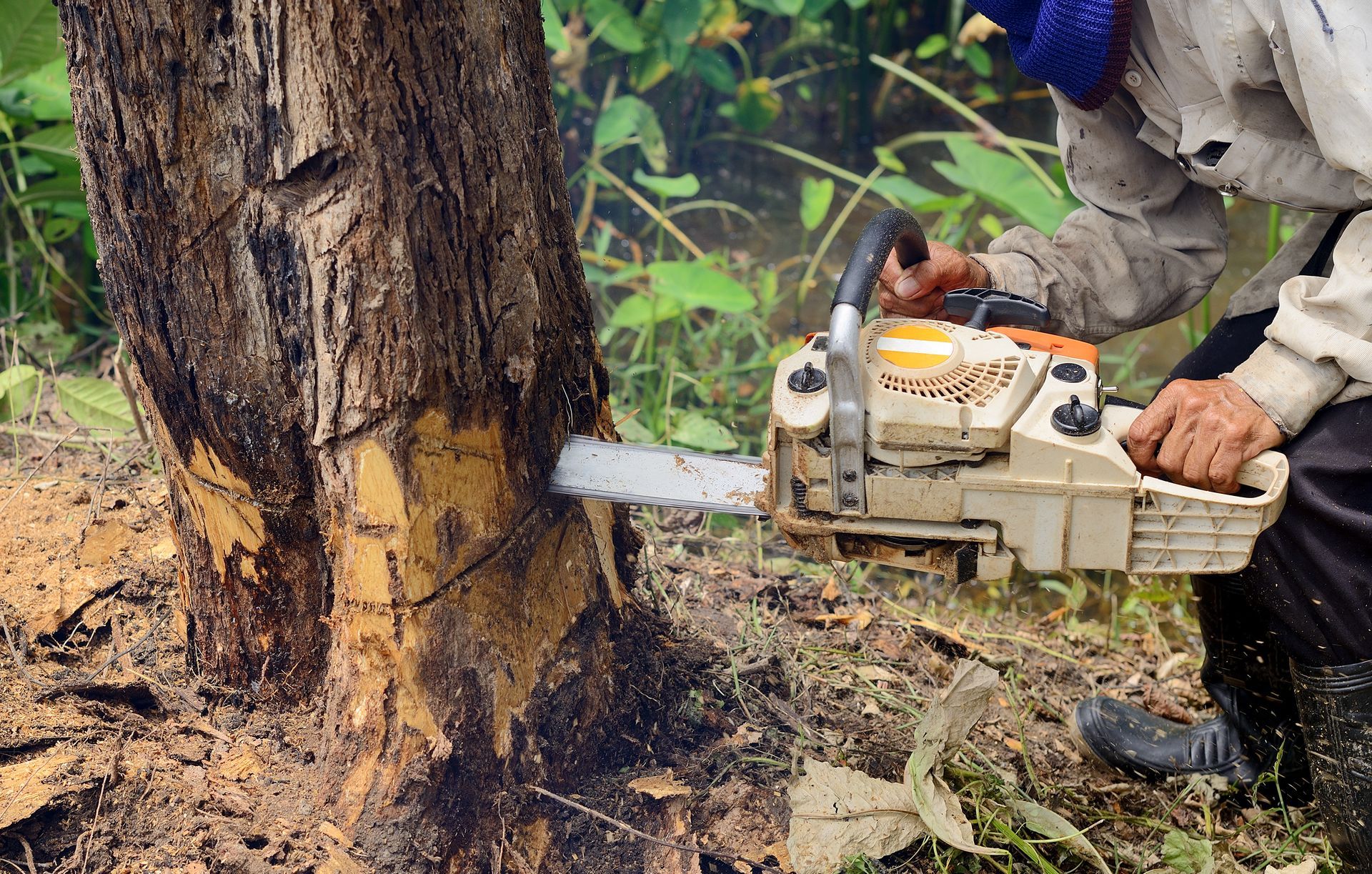
Dead or dying trees are more likely to fall during storms, causing damage to houses, cars, fences, and even nearby power lines. That’s why getting expert tree services in Owego, NY, from Tri County Tree Service is such a smart decision if you want to catch these problems early and avoid costly surprises. Storms do not wait, and weak trees rarely give warnings before they fail. Luckily, experienced professionals know exactly what to look for. Here are nine easy strategies the pros use to spot dead trees before they become dangerous, so you can protect your property and everyone who lives around it.
1. Spotting Bare Branches
Healthy trees usually have plenty of leaves during the warmer months like spring and summer. When branches stay bare, thin, or have no buds while the rest of the tree is full and green, that’s a clear warning sign. Arborists always look for dead branches or ones that just do not match the rest because it often means the branch is no longer getting what it needs to survive. A few bare branches might only need pruning, but large areas without leaves typically signal a bigger problem that could affect the whole tree.
2. Noticing More Fallen Branches
If you find yourself picking up branches, sticks, or twigs from your yard all year long, especially when the weather is calm, there might be a bigger problem happening above your head. Trees that drop lots of limbs at unusual times may be dying inside, and that could lead to bigger breaks when a storm hits. Tree care service experts can climb up safely to check if pruning is enough or if the tree is unsafe and should be removed entirely. Frequent cleanups in your yard are a sign to ask for help.
3. Checking for Mushrooms Around the Base
Mushrooms growing at the bottom of a tree often signal trouble beneath the soil line. Some types of mushrooms, like shelf mushrooms, can mean the roots or trunk are slowly rotting from the inside. Too many mushrooms at the base sometimes mean the tree can be hollow or unstable. When pros see lots of mushrooms or fungus, they know to check deep into the tree and its roots for decay. Healthy trees rarely have clusters of mushrooms on the lower trunk or roots, so it is always worth taking a second look.
4. The Scratch Test Guide
The scratch test is a simple way to see if a branch is still alive, and it does not require special tools. Here’s how you can try it:
- Pick a small branch you can reach.
- Use your fingernail, a key, or a coin to gently scratch through the outer bark.
- If you see green just underneath, that means the branch is alive and still healthy.
- If it’s brown, brittle, or dry under the bark, the wood is likely dead.
Tree service pros use this quick test on different sections of the tree. If just a tip is dead, pruning can help. But if several branches or large limbs fail the test, your tree could have bigger health problems.
5. Trunk Problems: Cankers and Hollows
Cankers look like dented, sunken, or wounded spots on a tree’s trunk. These areas often do not heal and may crack open more each year, which means the tree is having trouble fighting off infection or bugs. Trunk hollows are another big danger. These are large, empty spaces inside the wood where rot has eaten away the strong core. Professionals offering tree services use simple tools to tap along the trunk, listening for a hollow or “dead” sound. If you hear this, it means the tree might not withstand a bad storm and could fall down.
6. Unusual Leaning
A sudden lean is much more worrying than a tree that has grown slightly crooked since it was young. Fast changes can happen after a week of soaking rain or strong winds or if the roots become damaged. If your tree started leaning out of nowhere, it is a strong warning sign of weak support. Tree services may be enough if the lean is very small, but a severe lean with cracked soil or raised roots often means removal is safest. Watch for new gaps between the ground and the roots.
7. Signs of Insect Damage
Bugs, like beetles or carpenter ants, love weak trees because they are easy to eat or tunnel through. If you see many holes, piles of sawdust, or winding bug trails under the bark, your tree is likely unhealthy. These pests can chew away wood and make the tree even weaker. Tree services professionals check beneath the bark and all around the trunk for signs of pests. If the damage is advanced, removing the tree protects your other healthy trees, too.
8. Leaves Changing Early
We expect trees to lose their leaves in the fall. But if your tree’s leaves turn yellow or brown or begin falling off much too early, especially during stormy summer weather, it usually means the roots or branches are in trouble. Sometimes, a little pruning or treatment from tree services helps. Still, early leaf loss paired with weak branches can signal deeper health issues that should be checked by a tree professional as soon as possible.
Sometimes, a little pruning or treatment from tree services helps. If you are curious about pruning and how it could help your tree, you can read more about what pruning is here.
9. Bark Falling Off or Peeling
When bark falls off the trunk in large sections or peels away to reveal dry, brittle wood, the tree is in real danger.
Healthy bark is steady and should only fall off in small pieces. While a few missing patches may only need basic tree care service, large missing areas or missing bark all the way around often point to a tree that is dying and could fall soon. Keeping an eye on your tree’s bark lets you spot trouble before it gets worse.
Tree Care or Tree Removal: Which Do You Need?
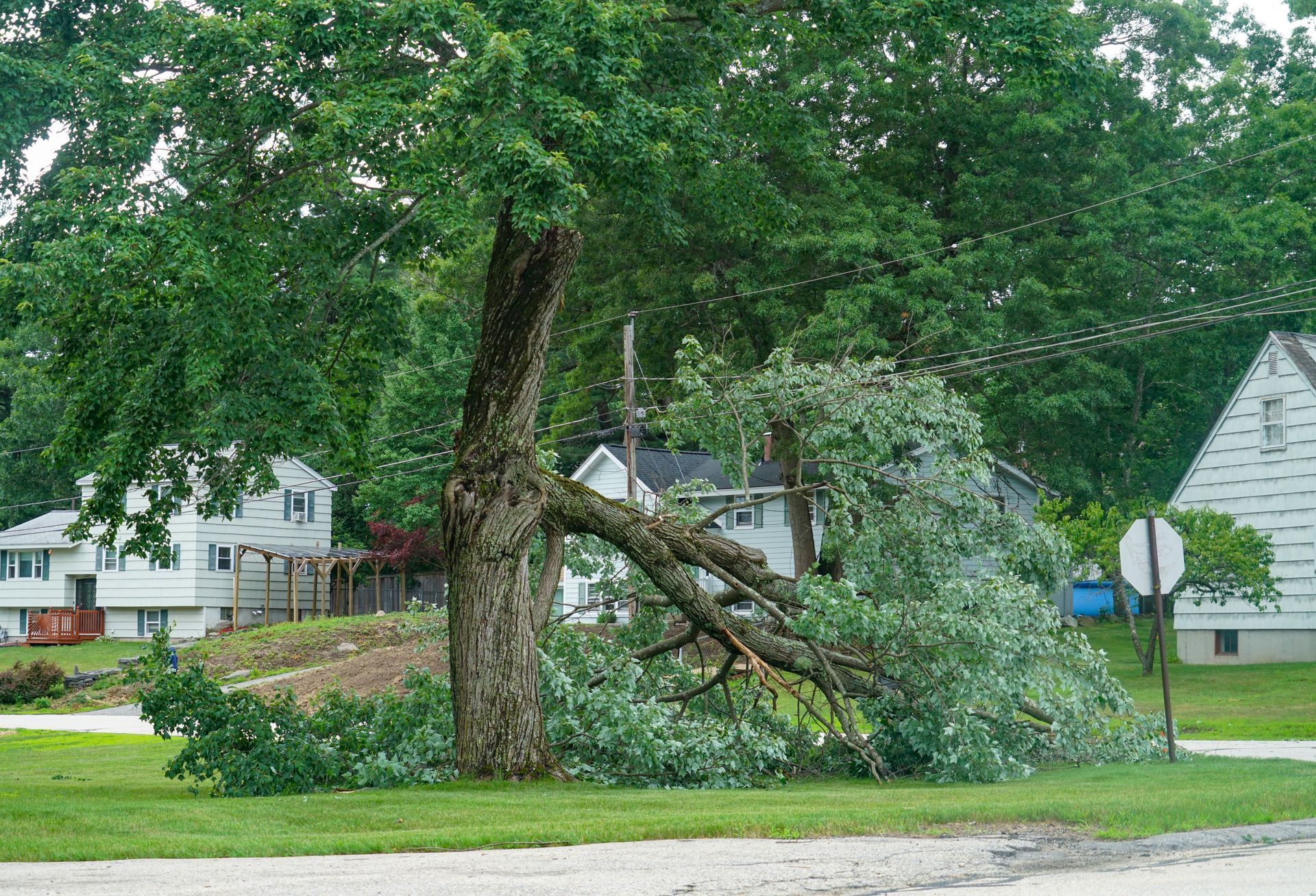
It is not always easy to tell if a tree needs to go. Some problems, like small cankers, a few bug holes, or limited bare branches, may just need some pruning or a quick tree care service. Other problems, like deep hollows, widespread decay, severe leaning, or branches everywhere failing the scratch test, are big warnings and mean full tree removal is often best. Taking care of these issues before the next storm helps prevent costly damage to your home or car.
Protect Your Owego, NY, Property With Tri County Tree Service
Don’t wait for the next big storm to reveal a dangerous tree near your home. If you recognize any of these signs, get expert help right away! Tri County Tree Service proudly serves Owego, NY, and will check your property for hazards, handle tree removal, or suggest the right tree care service for your situation. Contact Tri County Tree Service today and keep your home and family safe all year.